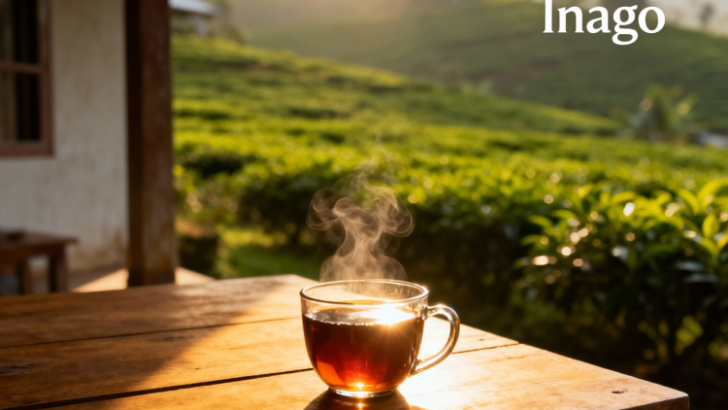
Introduction to Indonesian Tea
Indonesian tea holds a significant place in the cultural and historical landscape of the archipelago. With an environment uniquely suited for tea cultivation, Indonesia is home to an extensive variety of this cherished beverage. The journey of tea in Indonesia began over a century ago, influenced by colonial trade routes that introduced the tea plant to various parts of the region. Today, the tradition of tea drinking is deeply woven into the social fabric of Indonesian life, where it symbolizes hospitality and cultural exchange.
The archipelago’s diverse climate allows for the cultivation of several tea types, among which black tea stands out for its rich flavor and robust character. Indonesian black tea is grown in various regions, including Java, Sumatra, and Bali, with each area imparting unique qualities to the tea leaves. For instance, Javanese black tea often features a malty profile, while Sumatran varieties may exhibit a more earthy essence due to the region’s specific soil and climate conditions.
The evolution of tea production in Indonesia is not solely about the historical context but also includes the sustainable practices that modern farmers employ. Efforts are being made to promote organic farming and fair trade, reflecting a growing awareness of environmental concerns and social responsibility. As we delve deeper into the intricacies of Indonesian black tea, it becomes evident that this beverage is more than just a drink; it is a vessel for cultural traditions, community interactions, and a sustainable future for Indonesian agriculture.
Types and Varieties of Indonesian Black Tea
Indonesia, a country renowned for its diverse biodiversity, produces a wide assortment of black tea that varies significantly from region to region. The most notable areas for black tea cultivation are Sumatra and Java, each providing unique climatic conditions and soil types that contribute to the distinctive flavors and aromas of their teas.
In Sumatra, the Sumatran black teas are particularly known for their robust and full-bodied profile. The combination of rich volcanic soil and tropical climate allows the tea leaves to develop a rich flavor with hints of earthiness and dark fruits. A prime example is the Djakarta tea, cultivated in the highlands of West Java. This tea is characterized by its brisk finish and a hint of floral notes, making it a popular choice among tea enthusiasts.
Java black teas, on the other hand, are recognized for their smoothness and complexity. Grown at various altitudes, the cooler conditions of higher elevations contribute to the development of subtle flavors and refreshing characteristics. Teas from this region often exhibit a mellow sweetness and a slightly astringent aftertaste, attributed to meticulous harvesting techniques and processing methods that emphasize the preservation of the leaf’s natural intricacies.
The geographical and climatic factors significantly influence the taste profiles of Indonesian black tea. The interplay of humidity, rainfall, and temperature creates an environment conducive to cultivating high-quality tea. Harvesting typically occurs during the optimal seasons to ensure peak freshness and flavor, with traditional hand-picking methods allowing for selective harvesting of the finest leaves. This method preserves the quality and integrity of the tea, further contributing to its unique characteristics that set Indonesian black tea apart on the global stage.
Cultivation and Production Processes
Indonesian black tea is primarily cultivated from the Camellia sinensis plant, which thrives in the region’s unique climate and soil conditions. The species used in Indonesia is known for its strong, bold flavors, making it one of the preferred choices for black tea production. The cultivation area spans various regions across Indonesia, including Java, Sumatra, and Bali, where the ideal altitude, rainfall, and temperature create a conducive environment for tea growth.
Agricultural practices in Indonesian tea gardens are often a blend of traditional methods and modern techniques. Farmers employ sustainable practices, engaging in proper pruning and fertilization to maintain soil health and enhance the tea leaves’ quality. Additionally, many growers focus on organic farming approaches, avoiding synthetic chemicals to produce a more authentic and rich flavor profile that reflects the natural characteristics of the land.
Harvesting techniques play a crucial role in the quality of black tea. In Indonesia, the picking of tea leaves is usually done by hand, with skilled workers selecting the top two leaves and a bud, which provides the optimal flavor for black tea. This meticulous process ensures that only the finest and youngest leaves are chosen, allowing the distinct tasting notes to develop fully. Following harvesting, the tea leaves undergo several processing methods that set Indonesian black tea apart from its global counterparts.
The production process includes withering, rolling, oxidation, fermentation, and drying. During oxidation, the leaves are exposed to the air, where enzymes react and facilitate the darkening of the leaves. This phase is critical, as it determines the tea’s aroma and taste. Finally, tea leaves are dried to remove moisture, preserving their character while enhancing the robustness for which Indonesian black tea is renowned. Such comprehensive cultivation and production techniques contribute to the unique appeal of Indonesian black tea in the global market.
Tasting and Pairing Indonesian Black Tea
Experiencing the richness of Indonesian black tea begins with the correct brewing technique, which is vital for unlocking its complex flavors and aromas. Start by using fresh, filtered water for brewing to ensure that the purity of the tea is maintained. It is recommended to heat the water to around 95°C to 100°C (203°F to 212°F), as this temperature allows the tea leaves to release their full potential. Use about one teaspoon of loose tea leaves per cup, steeping for three to five minutes, adjusting based on personal taste preferences.
Indonesian black tea is known for its unique flavor profiles, ranging from bold and malty to floral and fruity undertones. This diversity makes it an excellent candidate for various food pairings. For instance, the rich and robust profile of a Sumatra black tea goes well with hearty dishes like roasted meats or a rich lentil stew. Alternatively, a smooth and lighter black tea from Java can complement delicate pastries, scones, or chocolate desserts.
Beyond its delightful taste, Indonesian black tea also comes with notable health benefits. Its robust antioxidant properties not only help combat free radicals in the body but may also enhance cardiovascular health. Consuming black tea may support metabolic health and improve cognitive function, making it a favorable choice for those looking to improve their overall well-being.
Appreciating Indonesian black tea is not just about the tea itself but also about the moments shared over a cup. Engaging in the ritual of preparing, tasting, and pairing this tea can lead to a truly satisfying experience, enhancing not only the palate but one’s overall tea-drinking journey. Understanding the brewing methods, the synergy with food, and the health advantages can lead to a more enriched appreciation of Indonesian black tea.
