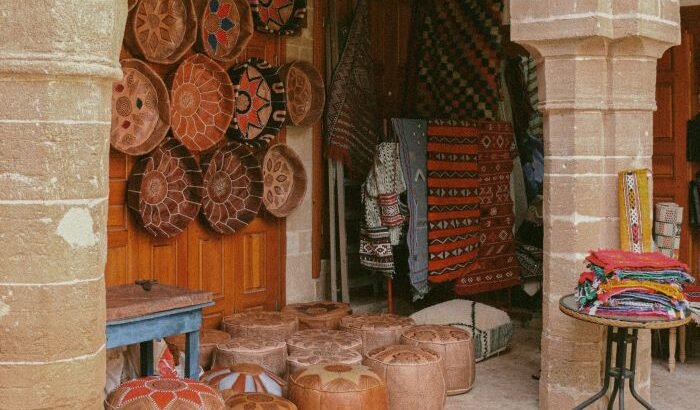
The Rich Heritage of Indonesian Handicrafts
Indonesia boasts a diverse and rich heritage in the realm of handicrafts, which are not merely artistic expressions but vital components of the nation’s cultural identity. These handicrafts, often reflecting the local customs and beliefs, encompass a wide array of traditional techniques and materials that have been meticulously passed down through generations. The materials utilized in these crafts vary significantly across the Indonesian archipelago, showcasing the region’s abundant natural resources. Common materials include bamboo, wood, textiles, and clay, each selected for both its practicality and aesthetic appeal.
One of the most renowned handicrafts in Indonesia is Batik, which originates from Java. This technique involves applying wax resist dyeing on fabric to create intricate patterns and designs. Batik is not only a decorative fabric but also carries deep cultural and spiritual significance, often embodying stories and philosophies unique to the Javanese people. Similarly, Ikat, practiced predominantly in West Nusa Tenggara, involves a resist-dyeing process either on the warp or weft threads before weaving, resulting in a characteristic blurred pattern. These textiles are celebrated not just for their beauty but also for their storytelling capacity, often depicting local myths and legends.
Furthermore, handicrafts in Indonesia serve as mediums of social cohesion, acting as vehicles for community identity. The various regional handicrafts are not only crafted for beauty or functionality but are integral in preserving the identity and heritage of local communities. The significance of these crafts goes beyond their commercial value, as they encapsulate the essence and create connections among generations. Thus, while one can explore Indonesian handicrafts online or seek wholesale Indonesian handicrafts, it is crucial to appreciate the narratives and cultural philosophies that each piece encapsulates. In conclusion, Indonesian handicrafts represent a mosaic of history, creativity, and identity, deeply rooted in the nation’s cultural landscape.
The Evolution of Indonesian Handicrafts in the Digital Age
Indonesian handicrafts represent a rich tapestry of culture and creativity, showcasing unique artistic traditions that have evolved significantly over time. In the digital age, these traditional crafts have undergone a transformative shift, enabling artisans to adapt and thrive in a rapidly changing market environment. The rise of online marketplaces and social media platforms has provided Indonesian artisans with unprecedented opportunities to reach global audiences, thereby enhancing the visibility and appreciation of their work.
Many artisans are harnessing the power of e-commerce to not only showcase their handicrafts but also to facilitate sales on a larger scale. Platforms such as Etsy, Amazon, and specialized websites dedicated to Indonesian handicrafts have become vital channels for wholesale Indonesian handicrafts. This evolution allows customers around the world to access a diverse array of authentic products, which helps preserve traditional techniques while promoting local economies.
Despite the advantages, selling Indonesian handicrafts online also presents several challenges. Artisans frequently face fierce competition from mass-produced items, which can undermine the perceived value of uniquely handcrafted goods. Additionally, maintaining authenticity becomes crucial as consumers increasingly seek genuine products rather than factory-made replicas. Moreover, effective marketing strategies are essential in this crowded digital marketplace, where efficient SEO practices and engaging content can enhance visibility and conversion rates.
There are inspiring examples of Indonesian artisans who have successfully navigated these challenges by leveraging social media for branding and storytelling. By sharing their creative processes and cultural backgrounds, they engage audiences at a personal level, fostering a deeper connection to their handicrafts. This not only elevates their brand image but also enhances the overall appreciation of handicrafts in Indonesian culture worldwide.
Sustainable Practices in Indonesian Handicraft Production
Sustainability has become a vital aspect of the Indonesian handicraft industry, as artisans increasingly recognize the importance of eco-friendly practices. Many craftspeople now prioritize using natural materials sourced locally, which not only enhances the unique aesthetic of their products but also supports sustainable harvesting practices. For instance, artisans often use bamboo, rattan, and plant fibers, which can be sustainably harvested without harming the environment. This commitment to natural resources allows for a reduction in the carbon footprint often associated with synthetic materials.
In addition to material selection, traditional techniques are being embraced and maintained as a means to further minimize environmental impact. These methods have been passed down through generations and often require less energy than modern manufacturing processes. For example, hand-weaving, batik painting, and wood carving not only celebrate Indonesian culture but also adhere to practices that have a minimal ecological footprint. Artisans who engage in these techniques demonstrate that it is possible to create high-quality handicrafts while being mindful of the environment.
Supporting ethical craftsmanship is another critical component of sustainable practices within the industry. Consumers today are increasingly seeking ethical alternatives when shopping for goods, particularly when purchasing indonesian handicrafts online. By choosing to buy from artisans who prioritize sustainable production, individuals contribute to the preservation of cultural heritage and strengthen local economies. Challenges remain, however, as artisans may struggle with competition from mass-produced items and the need for greater access to markets. Initiatives to bolster the visibility of these craftsmen can help foster a more sustainable future for handicrafts in Indonesian communities.
In conclusion, embracing sustainable practices within the Indonesian handicraft sector not only helps safeguard the environment but also supports the rich cultural heritage of Indonesia. By promoting awareness and encouraging ethical consumerism, the future of handcrafted products can thrive while minimizing negative impacts on the planet.
Where to Find and Buy Authentic Indonesian Handicrafts Online
In the digital age, sourcing authentic Indonesian handicrafts online has become increasingly accessible. Several reputable platforms specialize in artisanal products from Indonesia, promoting both the craftsmanship and the artists behind these unique items. Websites such as Etsy, which facilitates individual artisans to sell their creations, are excellent starting points. Many Indonesian craftsmen list their products here, from intricate wood carvings to vibrant textiles, ensuring that buyers can find genuine handicrafts in Indonesian culture.
Another noteworthy platform is Tokopedia, a leading Indonesian e-commerce site that features a vast array of handicrafts. This site focuses on promoting local artisans, allowing consumers to support small businesses while exploring diverse options in Indonesian handicrafts wholesale. Similar initiatives can be found on sites like Bukalapak, where ethical sourcing is emphasized. These platforms not only inspire buyers to explore traditional craftsmanship but also guarantee fair trade practices.
To discern authentic handicrafts from mass-produced replicas, consumers should pay attention to product descriptions and seller reviews. Look for detailed descriptions that highlight the crafting techniques, materials used, and background stories of the artisans. Engaging directly with artisans through their social media accounts can provide insights into their creative processes and the significance of their work. By following these artisans, potential buyers gain a deeper understanding of their craftsmanship and culture, enhancing their overall purchasing experience.
It is essential for consumers to make informed decisions when buying Indonesian handicrafts online. By recognizing verified sellers and using the tips mentioned above, buyers can contribute positively to the craft economy in Indonesia, supporting ethical practices and preserving cultural heritage. In summary, exploring these online platforms for Indonesian handicrafts offers not only a wide selection but also a meaningful connection to the rich artistry and traditions of Indonesia.
