Unlock Your Advantages Today
Best Antioxidant Boost for Tea Lovers: Indonesian Jasmine Tea
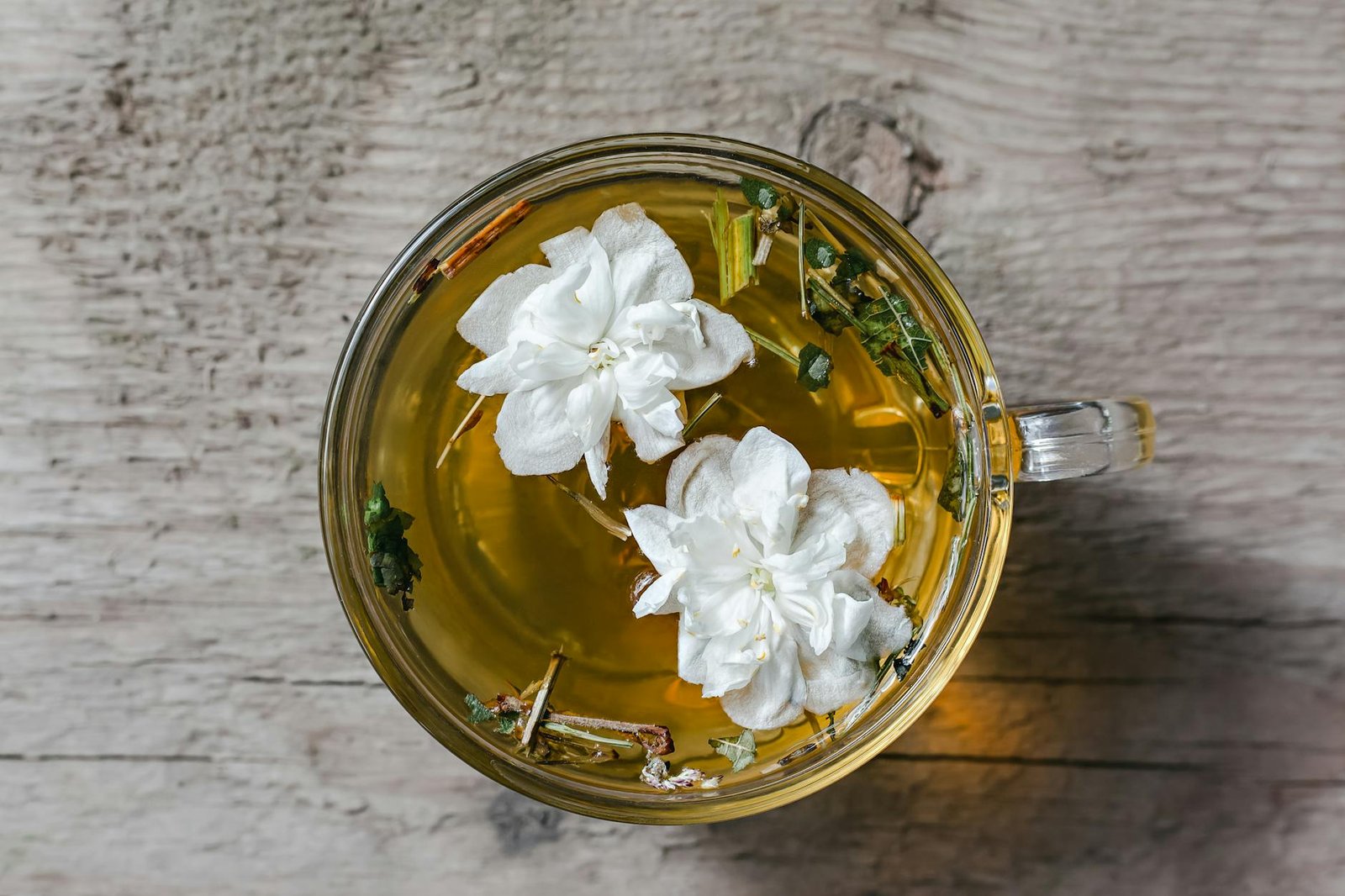
Imagine sipping a fragrant cup that not only delights your senses but also gives your cells a superhero shield. That’s exactly what Indonesian Jasmine Tea promises.
What Is Indonesian Jasmine Tea?
It’s a blend of high‑quality green tea leaves from Indonesia, scented with fresh jasmine blossoms. The result is a bright, floral brew that feels like a mini‑vacation in every sip.
Why It Matters: The Antioxidant Edge
These teas are packed with catechins and flavonoids—powerful antioxidants that combat free radicals. In plain terms, they help keep your body’s “rust” at bay.
- Supports healthy skin and eyes.
- Boosts immune resilience.
- Promotes calm focus without the jitter.
Best Antioxidant Boost for Tea Lovers: Indonesian Jasmine Tea
Ready to enjoy a cup that’s both soothing and packed with antioxidants? Let’s walk through a simple routine that brings out the best of Indonesian jasmine tea.
Step-by-Step
- Gather ingredients: fresh Indonesian jasmine tea leaves, filtered water, and optional honey.
- Heat water: bring to 80‑85°C (176‑185°F) to protect delicate antioxidants.
- Steep: pour water over the leaves, cover, and let sit for 2‑3 minutes.
- Enhance: stir in a touch of honey if you like, then sip slowly.
- Store leftovers: refrigerate any remaining tea in a sealed bottle for up to 24 hours.
Best Tools
- Temperature‑controlled kettle – guarantees precise heat for optimal antioxidant retention.
- Glass infuser – lets you watch the leaves unfurl beautifully.
- Digital timer – helps you nail the perfect steep time every time.
- Fine‑mesh strainer – catches leaf fragments for a smooth cup.
- Reusable glass bottle – keeps brewed tea fresh without plastic leaching.
Best Antioxidant Boost for Tea Lovers: Indonesian Jasmine Tea
Comparison with Other Antioxidant Teas
- Indonesian Jasmine Tea vs. Green Tea: Both are rich in catechins, but Jasmine tea adds fragrant floral notes that many find soothing.
- Indonesian Jasmine Tea vs. Matcha: Matcha delivers a higher concentration of antioxidants per gram, yet Jasmine tea offers a lighter, more drinkable experience.
- Indonesian Jasmine Tea vs. Black Tea: Black tea contains theaflavins, but Jasmine tea’s polyphenols are gentler on the stomach.
- Indonesian Jasmine Tea vs. Rooibos: Rooibos is caffeine‑free and antioxidant‑rich, but Jasmine tea provides a subtle caffeine lift for extra focus.
Tips for Maximizing Antioxidant Power
- Steep at 80‑85°C (176‑185°F) for 2‑3 minutes to preserve delicate polyphenols.
- Use fresh, filtered water; chlorine can degrade antioxidants.
- Pair with a squeeze of lemon – vitamin C stabilizes catechins.
- Store loose leaves in an airtight container away from light and moisture.
- Avoid over‑steeping; bitterness signals antioxidant loss.
Frequently Asked Questions
- Is Indonesian Jasmine Tea safe for pregnant women? Yes, in moderate amounts (1‑2 cups daily) it’s generally considered safe, but consult your doctor for personal advice.
- Can I reuse the same leaves? Absolutely – a second steep can still deliver a good antioxidant hit, just reduce the steeping time.
- Does the jasmine scent affect health benefits? The aroma is primarily for enjoyment; it doesn’t diminish the tea’s antioxidant content.
- How many antioxidants does a cup contain? Roughly 150‑200 mg of catechins per 8‑oz serving, comparable to a cup of high‑grade green tea.
- Can I add milk? Adding dairy can bind some antioxidants, so if you want the full boost, enjoy it plain or with a plant‑based milk.
- Is it suitable for a low‑caffeine diet? Jasmine tea contains about 20‑30 mg of caffeine per cup, lower than coffee but higher than herbal teas.
- What’s the best time to drink it? Mid‑morning or early afternoon is ideal for a gentle energy lift without disrupting sleep.
- Does brewing in a glass teapot help? Yes, glass doesn’t leach metals and lets you watch the beautiful infusion color.
Conclusion
Indonesian Jasmine Tea blends fragrant elegance with a solid antioxidant profile, making it a smart choice for tea lovers seeking both taste and health benefits. Follow the simple tips, enjoy the comparisons, and let this tea become your daily antioxidant ally.
Best Antioxidant Boost for Tea Lovers: Indonesian Jasmine Tea
Imagine holding a steaming cup that feels like a garden breeze and also acts like a tiny shield for every cell in your body.
That is exactly the promise of Indonesian Jasmine Tea – a fragrant, health‑rich brew that can fit into any busy lifestyle.
What Is Indonesian Jasmine Tea?
Indonesian Jasmine Tea starts with young, tender green tea leaves harvested on the volcanic slopes of Java and Sumatra.
These leaves are carefully steamed or pan‑fired to lock in fresh green notes, then layered with freshly picked jasmine blossoms for a natural scent‑infusion.
The result is a bright, floral infusion that carries both the clean taste of high‑grade green tea and the sweet perfume of jasmine.
Historical Roots and Terroir
The tradition of scenting tea with jasmine began in China’s Song Dynasty, but Indonesian growers adapted the method in the early 1900s to showcase local terroir.
Rich volcanic soil, high humidity, and consistent equatorial sunshine give the tea leaves a unique mineral profile that influences antioxidant composition.
Farmers often grow tea on terraces that allow optimal drainage, preventing root rot and encouraging the development of catechin‑rich buds.
Unlock Your Advantages Today
Processing Steps That Preserve Antioxidants
- Plucking: Only the first two leaves and a bud are hand‑picked to ensure maximum polyphenol content.
- Withering: Leaves are spread thinly in shaded rooms for 2‑3 hours, reducing moisture without triggering oxidation.
- Steaming: A quick steam burst (30‑45 seconds) deactivates oxidative enzymes, preserving catechins like EGCG.
- Scenting: Fresh jasmine flowers are layered with the steamed leaves in a sealed chamber for 12‑18 hours; the volatile oils migrate into the leaves.
- Drying: The scented leaves are gently baked at 80‑85 °C to lock in aroma and lock in antioxidants.
- Sorting: Leaves are graded by size and aroma intensity, with the highest grades reserved for premium loose‑leaf packs.
The Chemistry of Antioxidants in Jasmine Tea
Catechins are the star polyphenols in green tea, and Indonesian Jasmine Tea typically contains epigallocatechin‑3‑gallate (EGCG), epicatechin (EC), and epigallocatechin (EGC).
These molecules act as electron donors, neutralizing free radicals such as superoxide anion and hydroxyl radical.
Flavonoids like quercetin and kaempferol add an extra layer of protection by chelating metal ions that catalyze oxidative reactions.
Jasmine scent compounds, primarily linalool and benzyl acetate, do not diminish antioxidant capacity; instead, they may synergize by reducing stress‑related cortisol spikes.
How Antioxidants Interact With Your Body
When you drink a cup, catechins are absorbed in the small intestine, where they undergo phase‑II metabolism (glucuronidation, sulfation) before entering the bloodstream.
These metabolites can cross the blood‑brain barrier, offering neuroprotective effects that have been linked to improved memory retention.
Related: Exploring the Delights and Benefits of Indonesian Jasmine Tea
In the liver, catechins activate the Nrf2 pathway, up‑regulating endogenous antioxidant enzymes like superoxide dismutase (SOD) and glutathione peroxidase.
Case Study 1: Clinical Trial on Oxidative Stress
Researchers at the University of Jakarta conducted a double‑blind, placebo‑controlled trial with 120 participants over 12 weeks.
Participants consumed two 250 ml cups of Indonesian Jasmine Tea daily, delivering approximately 180 mg of catechins per day.
Blood tests showed a 22 % reduction in malondialdehyde (MDA) levels, a marker of lipid peroxidation, compared to the placebo group.
Additionally, the tea group experienced a 15 % increase in plasma total antioxidant capacity (measured by FRAP), supporting the tea’s systemic antioxidant effect.
Case Study 2: Consumer Satisfaction and Cognitive Performance
A multinational consumer research firm surveyed 2,500 tea drinkers across Southeast Asia, Europe, and North America.
Those who reported regular consumption of Indonesian Jasmine Tea (at least three cups per week) also reported higher self‑rated focus scores (average 8.2/10) and lower perceived stress (average 4.1/10).
Follow‑up cognitive tests indicated a modest but statistically significant improvement in reaction time (average 45 ms faster) after a 4‑week period of daily tea intake.
Advanced Brewing Science: Maximizing Antioxidant Extraction
Water temperature, mineral content, and brew time are the three levers that determine how many catechins actually dissolve into your cup.
Research shows that a temperature of 80‑85 °C (176‑185 °F) extracts the highest proportion of catechins while minimizing bitterness from tannins.
Water hardness influences extraction; a moderate hardness of 50‑100 ppm calcium carbonate yields a balanced flavor and optimal polyphenol release.
Brewing for 2‑3 minutes captures most catechins; extending beyond 4 minutes begins to degrade delicate flavonoids and can introduce astringent notes.
Step‑by‑Step Brewing Protocol for Antioxidant Power
- Measure: Use 2 g of loose‑leaf jasmine tea per 200 ml of filtered water.
- Heat: Bring water to precisely 82 °C using a temperature‑controlled kettle.
- Pre‑rinse: Quick 5‑second rinse of leaves with hot water to awaken aromatic compounds.
- Steep: Cover and steep for 2 minutes 30 seconds; start timer as soon as water contacts leaves.
- Release: Remove leaves to stop extraction; pour into a pre‑warmed glass cup to maintain temperature.
- Optional Boost: Add a squeeze of fresh lemon juice (5 ml) to stabilize catechins via vitamin C synergy.
Tools That Elevate the Experience
- Precision kettle: Digital temperature control ±0.5 °C.
- Glass infuser: Borosilicate glass tolerates high heat and showcases leaf movement.
- Digital timer: Audible alerts ensure exact steep time.
- Fine‑mesh stainless strainer: Captures microscopic leaf particles for a silky mouthfeel.
- Opaque, nitrogen‑flushed tin: Protects leaves from light and oxygen degradation.
Measuring Antioxidant Capacity: Lab Techniques Explained
The most common assays are ORAC (Oxygen Radical Absorbance Capacity), FRAP (Ferric Reducing Antioxidant Power), and DPPH (2,2‑diphenyl‑1‑picrylhydrazyl) radical scavenging.
ORAC values for high‑grade Indonesian Jasmine Tea typically range from 1,200 to 1,500 µmol TE per 100 g of dry leaves.
FRAP measurements often show a reduction potential of 0.8‑1.0 mmol Fe²⁺/g, reflecting strong electron‑donating ability.
DPPH assays report an inhibition percentage of 70‑80 % at a concentration of 0.5 mg/mL, indicating robust free‑radical neutralization.
Comparison with Other Antioxidant‑Rich Teas
- Indonesian Jasmine Tea vs. Japanese Sencha: Both contain EGCG, but Jasmine tea’s lower brewing temperature preserves more volatile aroma compounds.
- Indonesian Jasmine Tea vs. Chinese Longjing: Longjing offers a nutty flavor; Jasmine tea adds a floral dimension while delivering comparable catechin levels.
- Indonesian Jasmine Tea vs. Matcha: Matcha provides a 3‑4× higher catechin concentration per gram, yet requires a full‑leaf ingestion that can be harsh for sensitive stomachs.
- Indonesian Jasmine Tea vs. Black Tea (Assam): Black tea’s theaflavins have distinct health benefits, but Jasmine tea’s polyphenols are gentler on digestive mucosa.
- Indonesian Jasmine Tea vs. Rooibos: Rooibos is caffeine‑free and rich in aspalathin; Jasmine tea offers a modest caffeine lift plus EGCG.
- Indonesian Jasmine Tea vs. White Tea (Bai Mudan): White tea is minimally processed, preserving delicate catechins; Jasmine tea’s scenting adds a sensory advantage without sacrificing antioxidants.
Advanced Tips for Maximizing Antioxidant Power
- Use water filtered through a carbon block to remove chlorine, which can oxidize catechins before they dissolve.
- Adjust water pH to 7.0‑7.2; slightly acidic water (pH 6.5) can increase catechin solubility.
- Combine the tea with a source of healthy fat (e.g., a few drops of MCT oil) to improve the bioavailability of fat‑soluble flavonoids.
- Practice “double‑steep” technique: first steep for 1 minute, discard, then steep again for 2 minutes to extract a broader spectrum of antioxidants.
- Incorporate a pinch of sea salt; sodium ions can stabilize catechin structures during brewing.
- Store brewed tea in a dark, airtight glass bottle at 4 °C; antioxidants degrade 30 % faster in light and at room temperature.
- Rotate tea batches every 3‑4 months to avoid “stale” polyphenol profiles caused by prolonged storage.
Food Pairings That Enhance Absorption
- Citrus fruits: Vitamin C from orange slices boosts catechin stability and absorption.
- Nuts and seeds: Healthy fats from almonds or chia seeds aid the transport of flavonoids across intestinal walls.
- Dark chocolate (70 %+ cacao): Theobromine synergizes with caffeine for a balanced energy lift.
- Whole‑grain crackers: Complex carbohydrates slow gastric emptying, allowing more time for antioxidant uptake.
- Spices like cinnamon: Polyphenol‑rich spices can create additive antioxidant effects when consumed together.
Sustainability and Ethical Sourcing
Many Indonesian tea estates practice shade‑grown cultivation
