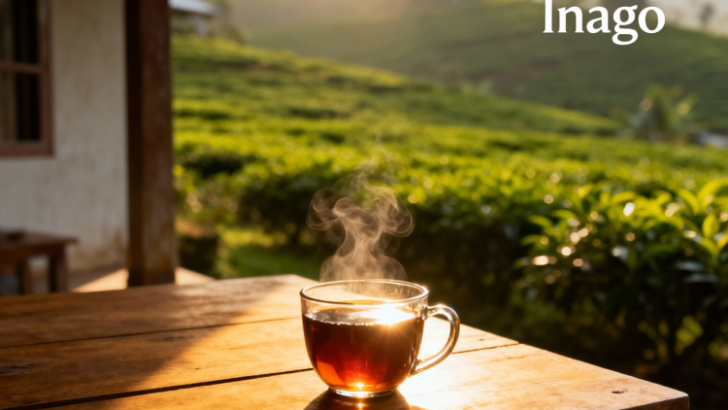
Introduction to Indonesian Jasmine Tea
Indonesian jasmine tea is a fragrant and soothing beverage that is renowned for its unique flavor profile and aromatic qualities. This tea is primarily produced using green tea leaves from the lush plantations found throughout Indonesia, which are then delicately blended with jasmine flowers. The process infuses the tea with a rich, floral fragrance that distinguishes it from other jasmine teas cultivated globally.
The origins of Indonesian jasmine tea can be traced back to the regions of Java and Sumatra, where the climate and soil conditions are ideal for both tea cultivation and jasmine flower growth. The practice of scenting tea with jasmine is believed to have been introduced by Chinese tea artisans, and it has since blossomed into a traditional craft in Indonesia. The country has become known for its exquisite quality of jasmine tea, making it a sought-after product in international markets.
What sets Indonesian jasmine tea apart from its counterparts is the meticulous harvesting and processing techniques employed by local producers. The jasmine flowers used in the infusion are picked during the night, as this is when they emit their most potent fragrance. These freshly harvested flowers are then layered with the tea leaves, allowing the aroma to permeate thoroughly. This distinctive method contributes to an enhanced flavor and an intoxicating aroma that captivates tea enthusiasts and casual drinkers alike.
Moreover, Indonesian jasmine tea offers various health benefits, including antioxidants and nutrients that promote overall well-being. It can serve not only as a delightful beverage but also as a moment of tranquility in one’s daily routine. In the following sections, we will delve deeper into the brewing techniques, health benefits, and the global impact of this delightful beverage.
The Process of Making Indonesian Jasmine Tea
The preparation of Indonesian jasmine tea is a time-honored tradition that involves meticulous techniques for both harvesting jasmine flowers and processing tea leaves. The scene typically begins in the lush landscapes of Indonesia, where jasmine flowers bloom, filling the air with their intoxicating fragrance. The finest jasmine flowers are chosen for this delicate task, ensuring that only the freshest and most aromatic specimens are utilized.
Once selected, the jasmine flowers are harvested early in the morning when their fragrance is at its peak. This timing is crucial, as it allows the flowers to maintain their potency, which is essential for the infusion process that characterizes Indonesian jasmine tea. Following the harvest, the jasmine flowers are carefully handled to prevent damage, as their delicate petals can bruise easily.
The processing of tea leaves also adheres to traditional methods that have been passed down through generations. Typically, green or white tea leaves are used as the base for this aromatic infusion. After the leaves are harvested, they undergo initial withering and oxidation processes, which prepare them for flavor development. Once the tea leaves are ready, they are layered with the jasmine flowers, allowing the leaves to absorb their fragrant essence. This infusion takes place for several hours, and during this period, the tea leaves gradually adopt the subtle floral notes that are characteristic of high-quality Indonesian jasmine tea.
This delicate balancing act between the tea leaves and jasmine flowers is what produces the unique flavor profile of Indonesian jasmine tea. The meticulous attention to detail throughout the harvesting and processing phases ensures a product that not only delights the palate but also evokes the natural beauty of Indonesia. The final product is a tea that is celebrated for both its refreshing taste and calming properties, making it a cherished beverage among tea enthusiasts.
Health Benefits of Indonesian Jasmine Tea
Indonesian jasmine tea is not only renowned for its fragrant aroma and delightful taste, but it also offers numerous health benefits that contribute to overall wellness. One of the most significant advantages of this herbal drink is its high content of antioxidants. These compounds are essential in combating oxidative stress in the body, which is known to contribute to various chronic diseases. By incorporating Indonesian jasmine tea into your diet, you can enhance your body’s ability to fight free radicals, potentially leading to improved health outcomes.
Another notable benefit is its ability to promote relaxation and reduce stress levels. The soothing aroma of jasmine has been shown to have calming effects, which can be particularly beneficial in our fast-paced lives. Drinking a cup of Indonesian jasmine tea can serve as a gentle reminder to take a moment for yourself, providing mental clarity and a sense of tranquility. This herbal tea not only lifts your mood but may also contribute to better sleep quality, thus enhancing your overall mental well-being.
Furthermore, Indonesian jasmine tea may have positive effects on digestion. The antioxidants and compounds in jasmine tea can support a healthy digestive system by regulating bowel movements and alleviating issues such as bloating or discomfort. Regular consumption may also facilitate nutrient absorption, contributing to a more robust digestive function. This holistic approach to wellness underscores the value of including Indonesian jasmine tea in your daily routine. Its myriad of benefits—from antioxidant properties to stress relief and digestive support—make it a worthy addition to any health-conscious lifestyle.
Flavor Profile and Aroma of Indonesian Jasmine Tea
Indonesian jasmine tea is renowned for its rich and complex flavor profile, which sets it apart from other types of tea. The tea is primarily crafted from high-quality green tea leaves, which serve as the base, bringing forth a fresh and slightly grassy taste. What truly elevates this tea is the delicate infusion of jasmine flowers, which are renowned for their intoxicating fragrance and subtle sweetness. This unique combination creates a floral and fragrant cup that is pleasing not only to the palate but also to the senses.
The process of creating Indonesian jasmine tea involves layering freshly harvested green tea leaves with jasmine blossoms. This meticulous method allows the tea leaves to absorb the aromatic oils from the flowers, resulting in a sophisticated flavor that is both vibrant and soothing. A notable characteristic of Indonesian jasmine tea is its light yet uplifting quality; with each sip, drinkers often experience subtle notes of freshness alongside the aromatic embrace of jasmine, creating a harmonious balance that is highly sought after.
When compared to other jasmine teas, such as those from China or India, Indonesian varieties tend to offer a cleaner and less overpowering flavor. While many jasmine teas can sometimes veer into overly perfumed territory, Indonesian jasmine tea maintains a more natural and grounded essence. The gentle floral notes complement the tea’s base, allowing for a drinking experience that is both refreshing and satisfying.
Tea enthusiasts appreciate the versatility of Indonesian jasmine tea, as it can be enjoyed both hot and iced, making it an excellent choice for any occasion. Its aromatic properties further enhance its appeal, making it a perfect candidate for meditation or relaxation rituals. The inviting aroma alone can evoke a sense of calm, adding to its overall allure as a delightful beverage.
Cultural Significance of Jasmine Tea in Indonesia
Indonesian jasmine tea holds a prominent place in the tapestry of the nation’s cultural and social practices. This aromatic drink is not merely a beverage; it embodies the rich traditions and courtesies that are integral to Indonesian hospitality. Traditionally, jasmine tea has been served during significant events, including family gatherings, wedding ceremonies, and religious festivals, where it symbolizes respect and warmth towards guests.
The role of jasmine in Indonesian culture extends beyond its sensory attributes. The flower is often associated with beauty, purity, and sincerity, making it a fitting companion to tea. In many Indonesian communities, offering jasmine tea to visitors is a customary practice that reflects the local ethos of hospitality, or “rumah tangga.” This ritual emphasizes the importance of relationships and supports the notion that sharing a cup of tea deepens connections between individuals. This is especially pertinent in a society that values communal ties and social interactions.
Moreover, the significance of jasmine tea is also evident in various celebrations. During traditionally joyous occasions, such as cultural festivals and religious rites, jasmine tea is frequently included in ceremonial activities. Its pleasing aroma and delicate flavor are perceived not only as a delight but also as a means to invoke tranquility and peace among attendees. In many households, brewing jasmine tea is part of a welcoming gesture, reinforcing cultural norms surrounding hospitality and generosity.
Thus, Indonesian jasmine tea serves as a vital cultural emblem, blending the country’s rich heritage with everyday life. Through rituals and traditions, it remains a fundamental element that showcases Indonesia’s values of unity, respect, and warmth towards others, highlighting why jasmine tea is cherished deeply within the society.
How to Brew the Perfect Cup of Indonesian Jasmine Tea
Brewing a perfect cup of Indonesian jasmine tea is an art that requires attention to detail. The process begins with selecting high-quality tea leaves, as the freshness and quality play a critical role in the flavor profile. For optimal taste, it is recommended to use loose leaf jasmine tea, which typically offers a more robust and aromatic experience than bagged varieties.
The next essential step is to prepare the water. The temperature of the water is crucial; it should be heated to about 175°F (80°C). Water that is too hot can scald the delicate leaves, resulting in bitterness, while water that is too cool may not fully extract the flavors. Using a thermometer can help achieve the desired temperature, ensuring that the vibrant flavors and lovely aroma of the tea can shine through.
Once the water is ready, it is time to steep the tea. A typical steeping time for Indonesian jasmine tea is around 3 to 4 minutes. This duration allows for the gentle unfolding of flavors without over-extraction. It is advisable to taste the tea periodically during steeping to pinpoint the exact time when the flavor aligns with personal preference.
For an enhanced tea experience, consider adding additional ingredients. A hint of honey can naturally sweeten the tea and complement its floral notes, while a splash of lemon can provide a refreshing brightness. Additionally, pairing Indonesian jasmine tea with light snacks such as delicate pastries or fruits can elevate the overall experience.
By following these brewing guidelines, tea enthusiasts can savor the delightful nuances of Indonesian jasmine tea, making every cup a delightful ritual. Experimentation with steeping times and complementary additions will further personalize the tea experience, making it uniquely yours.
Pairing Indonesian Jasmine Tea with Food
Indonesian jasmine tea, known for its fragrant aroma and delicate flavor profile, serves as an excellent accompaniment to a variety of dishes, enhancing the dining experience. The exquisite floral notes of this tea can harmonize beautifully with both traditional Indonesian cuisine and international fare.
To start, traditional Indonesian dishes such as Nasi Goreng (fried rice) and Sate (grilled skewers) pair remarkably well with Indonesian jasmine tea. The aromatic qualities of the tea complement the spices found in these meals, offering a balanced palate. The slight sweetness and floral characteristics of the tea can also serve to tone down the heat of spicy sambals commonly found in many Indonesian dishes, making for a more enjoyable meal.
In addition to Indonesian cuisine, this tea also pairs nicely with various international options. For instance, Indonesian jasmine tea can be served alongside light salads dressed with citrus vinaigrette, enhancing the fresh ingredients without overpowering them. The tea also complements seafood dishes such as grilled salmon or sushi, where the tea’s floral notes can brighten the flavors of the fish.
Desserts are another area where Indonesian jasmine tea truly shines. It harmonizes well with light pastries, fruit tarts, and even creamy desserts like panna cotta. The subtle sweetness of the tea pairs beautifully with the textures and flavors of these sweet treats, allowing for a delightful ending to any meal.
Experimenting with various food pairings can lead to unexpected and satisfying combinations. The key is to focus on dishes that either complement or enhance the floral tones of Indonesian jasmine tea, thus creating a culinary experience that both embraces and showcases the tea’s unique characteristics.
Sourcing High-Quality Indonesian Jasmine Tea
When it comes to sourcing high-quality Indonesian jasmine tea, several factors come into play that can significantly influence the taste, aroma, and overall experience of this fragrant beverage. To ensure that you acquire the best quality, it is important to be informed and discerning in your selections.
Firstly, consider the origin of the tea. Indonesian jasmine tea is predominantly produced in regions such as Java and Sumatra, where the unique climates and soil conditions contribute to the rich flavors and aromas. Look for teas that are explicitly sourced from these regions, as the geographical significance can often denote superior quality and authenticity.
Certifications play a pivotal role in determining the quality of Indonesian jasmine tea. Seek out products that are certified organic or bear fair trade certifications, as these indicators often guarantee that the tea has been grown and processed without harmful pesticides and under ethical labor practices. Organic certification, in particular, can enhance the overall health benefits associated with consuming jasmine tea, making it a more beneficial choice.
Furthermore, reputable brands should be prioritized when purchasing Indonesian jasmine tea. Brands that maintain a strong commitment to quality often provide detailed information on their sourcing practices, processing methods, and blending techniques. Engaging with brands that are transparent about their production process can give substantial insight into the tea’s refinement and quality.
Lastly, exploring reviews and tasting notes from other enthusiasts can greatly assist in making an informed decision. Online platforms, tea specialty shops, and local markets often showcase customer experiences that can guide you towards a selection that suits your palate. By being attentive to these aspects, you can confidently enjoy the authentic and soothing flavors of high-quality Indonesian jasmine tea.
Conclusion: Embracing the Essence of Indonesian Jasmine Tea
In light of the wide array of flavors and health benefits, Indonesian jasmine tea stands out as an exquisite beverage worthy of exploration. This aromatic tea, beloved for its soothing qualities, has captivated the palates of many enthusiasts around the globe. By embracing the combination of high-quality tea leaves with the enchanting aroma of jasmine blossoms, individuals can experience a unique infusion that transcends typical tea offerings.
Throughout our discussion, we have highlighted the significant health benefits associated with consuming Indonesian jasmine tea. From antioxidant properties that enhance overall well-being to its potential role in stress relief, this tea provides more than just a delightful taste. Incorporating it into daily routines not only offers a moment of tranquility but also promotes a healthier lifestyle.
Moreover, the cultural significance tied to Indonesian jasmine tea adds another layer of appreciation. Rooted in tradition, this beverage serves as a medium for connection, bringing together families and friends in celebrations and everyday moments alike. The process of brewing and enjoying this tea allows individuals to partake in the rich heritage of Indonesia while savoring its unique flavors.
As we conclude, we encourage readers to integrate Indonesian jasmine tea into their lives, whether through a quiet afternoon ritual or as a charming addition to social gatherings. By experimenting with various brewing techniques and pairings, one can discover personal preferences that highlight the tea’s distinctive qualities. Ultimately, the journey with Indonesian jasmine tea is one of discovery, inviting all to relish in its aromatic allure and the multitude of health benefits it presents.
